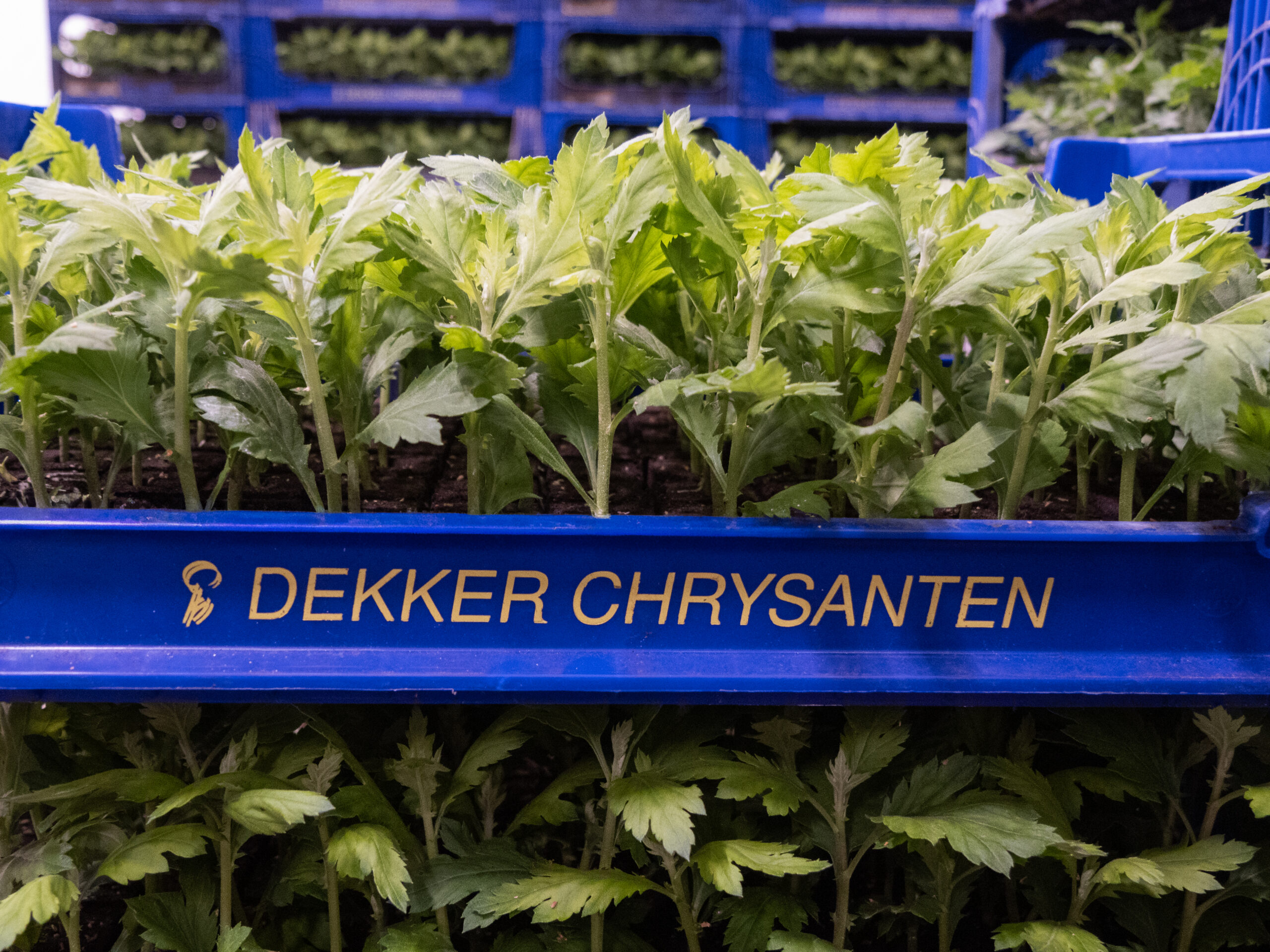
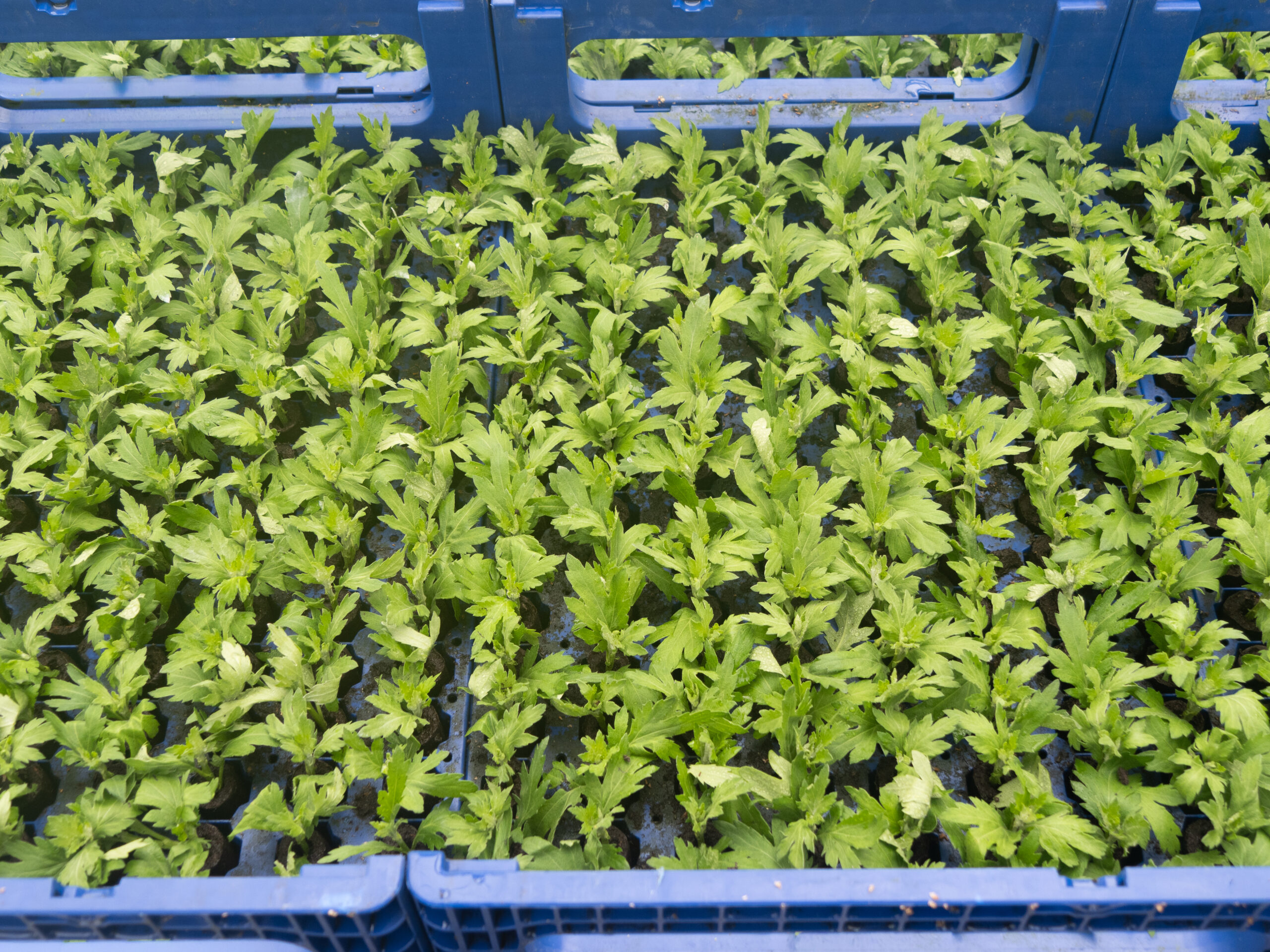
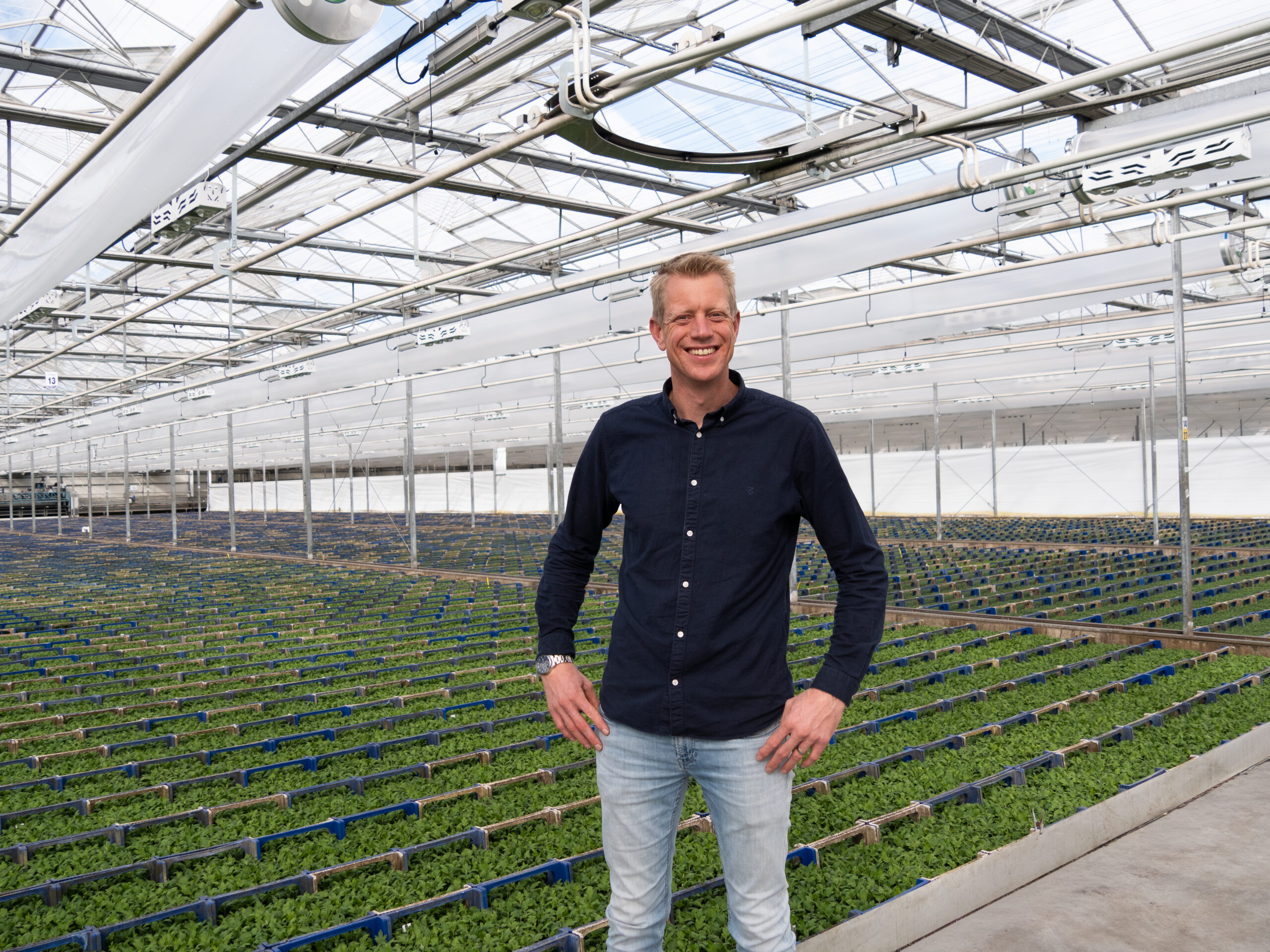
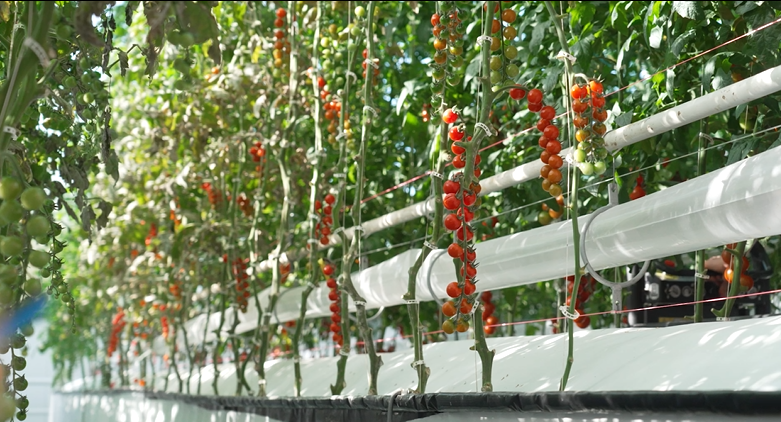
Every year, around 600 million rooted cuttings leave Dekker Chrysanten. There is no room for downtime. Yet the rooting greenhouses have been completely upgraded. “The quality of the cuttings has improved and the greenhouses have become more energy-efficient,” says Roel Wolkers, Head of Technical Services. “But we run a business that operates seven days a week. And you have to carry out renovations in between.”
With volumes like these, every second counts. “You think: nice, flowers and cuttings,” says Managing Director Berend van Iterson. “But this really is a factory. Half a second per cutting may not sound like much, but multiply that by 600 million and it makes a huge difference.”
Sixty years as a family business
Dekker Chrysanten has been a family business for more than sixty years. The company breeds chrysanthemums, develops new varieties, and is responsible for propagation and rooting. The cuttings, or licences to produce them, are supplied to growers in the Netherlands, the rest of Europe, South America, particularly Colombia, and Southeast Asia. Dekker is one of the world’s largest chrysanthemum breeders and propagators. The propagation of unrooted cuttings takes place in Tanzania.
A great deal of technology lies behind this production. “The technical expertise of Roel and his team plays a major role in this,” says Berend. Roel is particularly proud of the rooting greenhouse. “Seeing how it developed from a rough sketch into something that is now delivering such good results.” With its more energy-efficient greenhouses, Dekker is also taking important steps towards making its production more sustainable.
It started in Tanzania
The partnership with Stolze began more than ten years ago, not in the Netherlands but in Tanzania. “We thought: why not see if Stolze could handle the maintenance?” Roel explains. This involved the water system and the Priva climate computer at the farms.
In the Netherlands, the switch to LED followed. “LED is more energy-efficient. More light per square metre, more output. It was a logical step,” says Roel. Over the course of a few years, Dekker largely switched to LED lighting.
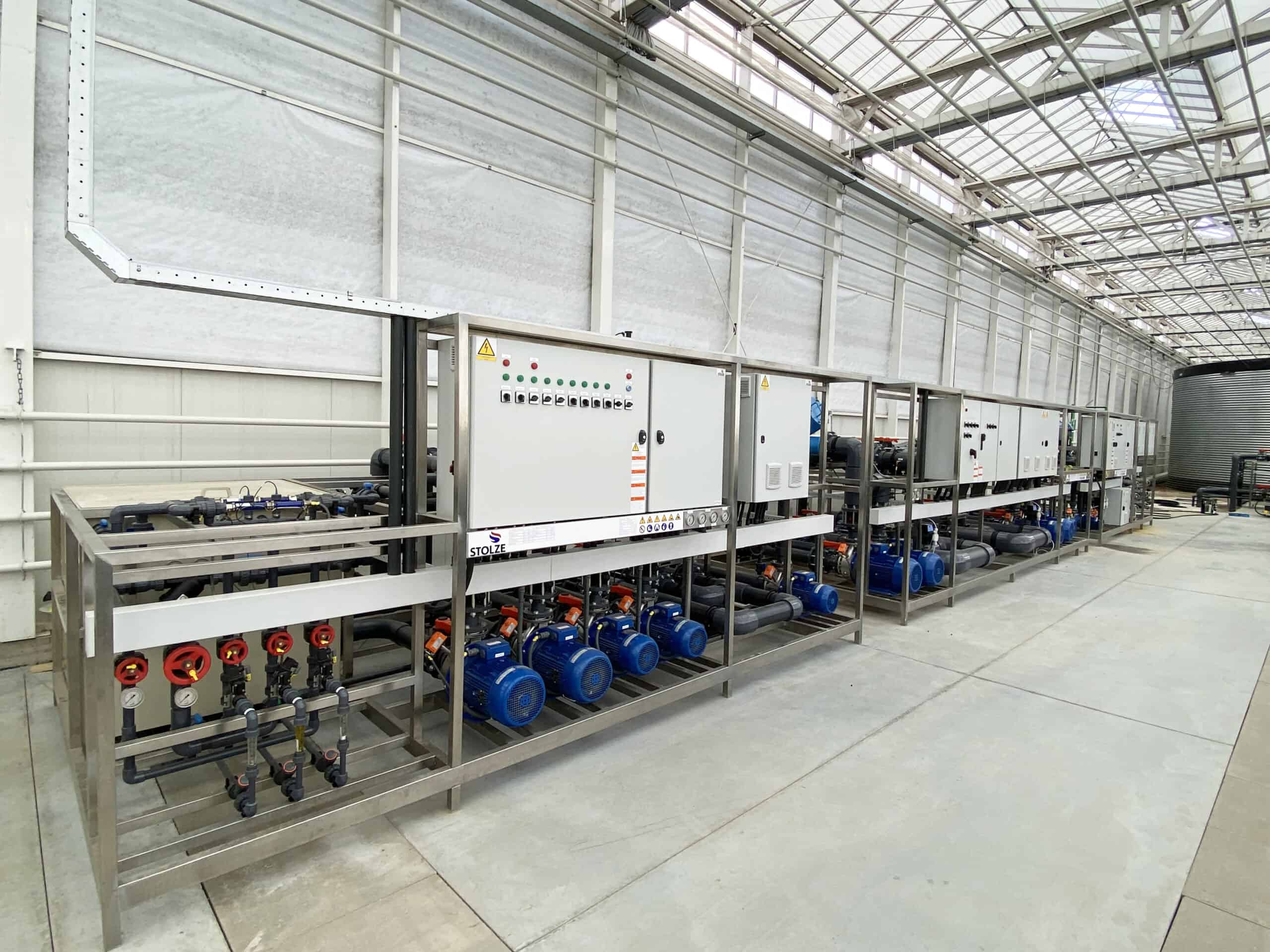
After that, Stolze also took on the water and climate technology. Today, Stolze is also responsible for the installation technology in the new buildings Dekker is constructing. “Water, lighting and climate control in one integrated system. That is what keeps coming back.”
Priva controls, Stolze makes sure it works
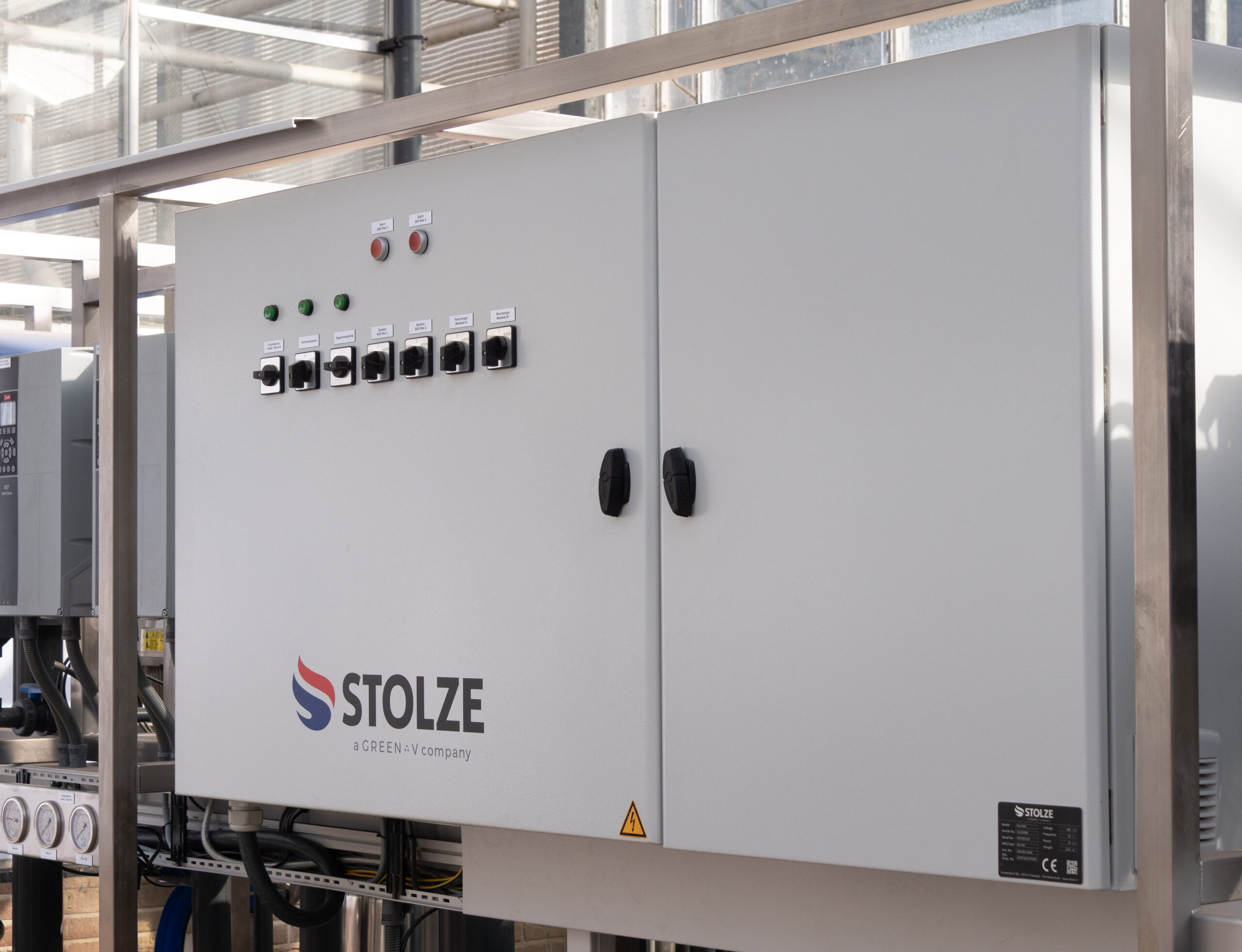
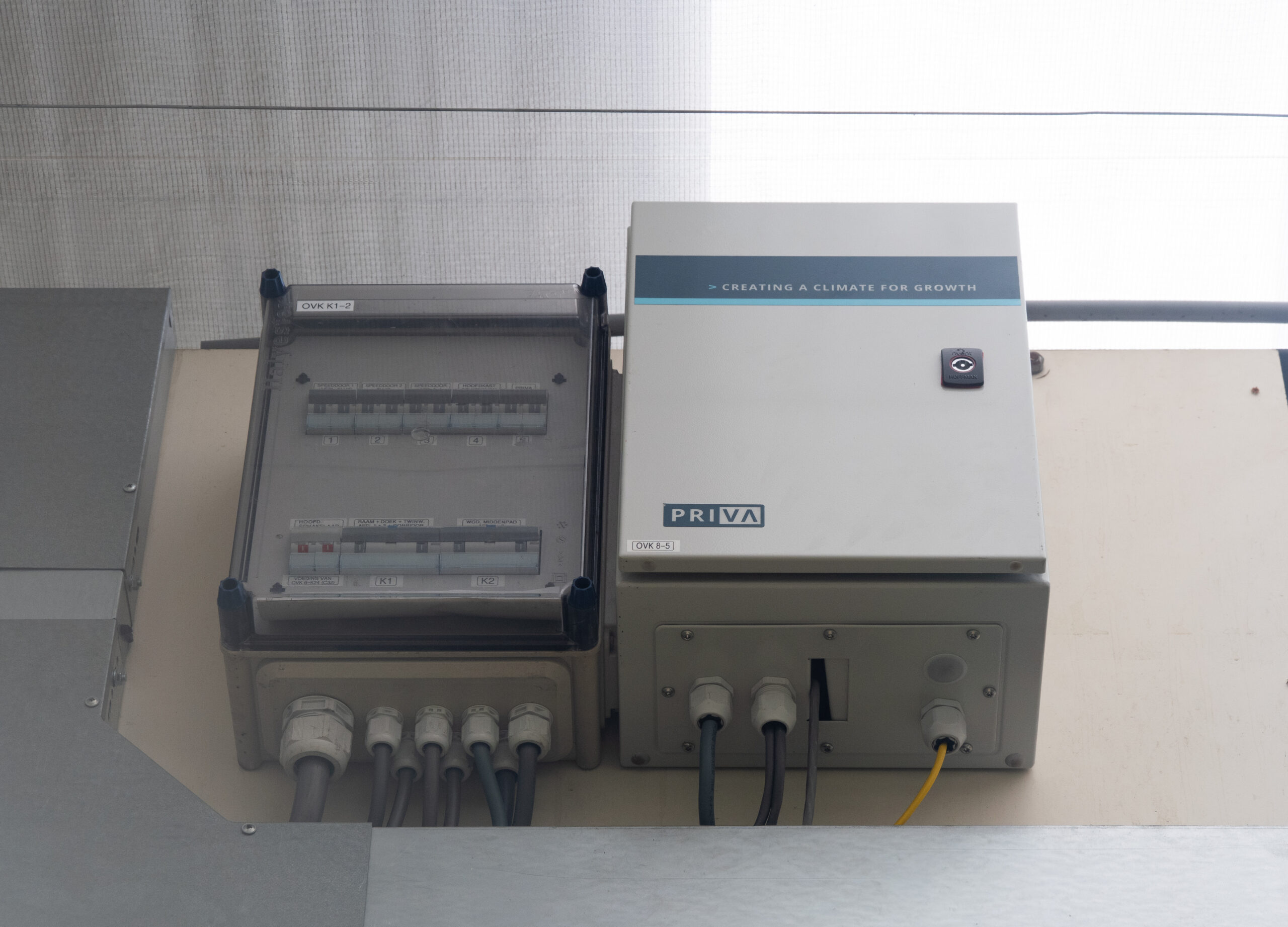
The climate computer is at the heart of the installation. At Dekker, Priva controls the technical processes in the greenhouse, from the air handling units and LED lighting to irrigation. Stolze installs, connects and maintains the systems and acts as the main point of contact for the technical department.
“At a company like Dekker, everything in the greenhouse has to work together. Climate, lighting and water are controlled from one system. The same applies to energy. With the Priva computer, Dekker controls and manages its various energy sources and tracks its energy costs. This keeps conditions for the cuttings constant, seven days a week, while providing a clear picture of the costs. Together with Stolze, we make sure that the control system works in practice exactly as it should.” Gijs Geene, Direct Sales Horticulture Europe, Priva.
Short lines of communication and staying until the job is done
What makes Stolze a good partner for Roel? “Short lines of communication. Lots of familiar faces and a dedicated point of contact. That’s important. And having someone who really thinks along with you, who understands the challenges you face and knows how to translate them into practical solutions.”
Being able to act quickly is important to Dekker. “They try to respond immediately,” says Roel.
And once they are on site, they finish the job. “Stolze really doesn’t leave until the job is done,” says Roel. “I also attribute that to the technicians. They are proud to work for Stolze, and it shows.”
Berend also keeps a close eye on costs. “Installation work and materials have become considerably more expensive, easily ten percent per year in recent years. You see that throughout the market, which makes it even more important to deliver quality. And judging by what Roel tells me, that is exactly what Stolze does.”
Stolze Project Manager Machiel Keizer has come to know the company well. “At Dekker, you can’t simply shut down a greenhouse. Cuttings leave the company every single day. So we plan the work together with Roel and his team, step by step and around production. They know exactly what they want. That makes them very pleasant to work with.”
The next step: moving away from natural gas
There is still plenty on the agenda. One department still needs to switch to LED, and the irrigation system will eventually be replaced. But the biggest challenge is sustainability. Dekker generates a large proportion of its own electricity using natural gas-fired CHP systems. To become more sustainable, Dekker is looking at electrification, including for heating. This requires more electrical capacity and therefore additional grid capacity. Due to grid congestion, 15,498 applications for electricity consumption were on the waiting lists of regional grid operators as of 30 June 2026.
“That connection won’t be available for another twelve years, if you’re lucky,” says Berend. “So what do you do between now and then?”
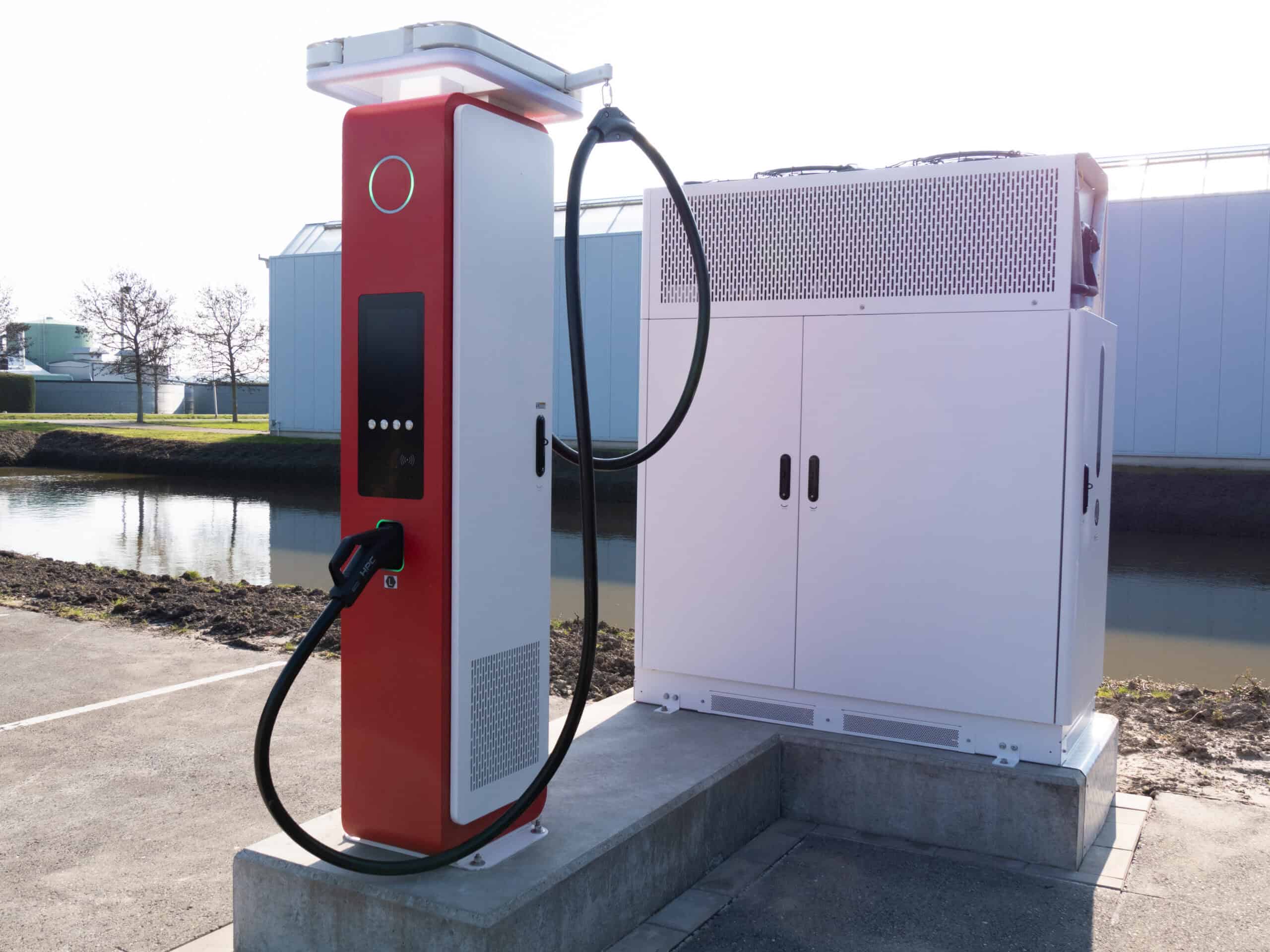
Dekker is already taking steps towards electrification, for example by installing charging stations for its trucks. “The complex part is fitting that into your operations,” says Roel. “You can’t simply plug in a truck that suddenly draws a huge amount of power.”
With no increase in grid capacity expected in the near future, the available power needs to be distributed and used intelligently. This is where Stolze’s expertise in energy systems for the horticultural sector comes into its own.
Looking to become more sustainable without losing sight of your operations?
From LED lighting and water technology to climate control and electrification, Stolze looks at the complete picture and translates your plans into a solution that works in practice. Together, we explore how you can make your operations smarter, more efficient and more sustainable for the future. Contact us at sales@stolze.nl.